
Authorised Push Payment (APP) fraud is one of the most significant threats facing consumers and businesses today.
In these scams, fraudsters manipulate people into willingly transferring money from their accounts to the scammer’s account under false pretences. It occurs when the victim authorises a bank transfer to a scammer and, as they initiate the payments themselves, recovering the lost funds from such transactions is a challenge.
The rise of real-time payments and the increasing sophistication of scammers have made APP fraud more prevalent. Billions of pounds are lost annually to APP fraud in the UK, with victims often left without adequate support and financial redress from their banks.
Here are some of the most common types of APP fraud, providing an insight into how they work, some of the ways you can protect yourself and how we can help you if you have fallen victim to a scam:
Impersonation Scams
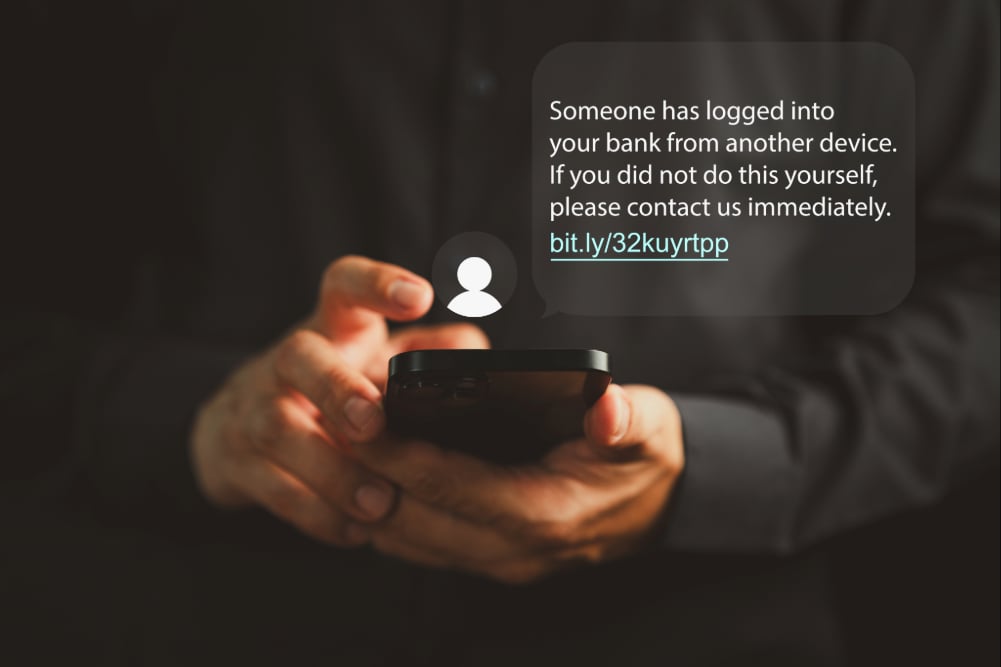
Impersonation scams involve fraudsters posing as trusted bodies, such as banks, utility companies or government agencies. They often contact victims by phone, email, or text, claiming urgent action is needed. Common examples include:
It’s important to be able to spot the signs in order to avoid falling victim to these highly convincing scams. Look out for unexpected contact claiming to be from an official organisation, any requests for immediate payment or sensitive information and threatening or overly-urgent language.
If you receive anything of this nature and have alarm bells ringing, you can verify the caller or sender’s identity by contacting the organisation directly using official channels. You should always avoid clicking links in unsolicited messages and stay cautious of any requests for payment or personal information.
Purchase Scams
With purchase scams, victims are tricked into paying for goods or services that never materialise. This type of fraud is common in online marketplaces, where fraudsters post fake listings for high-demand items – concert tickets, electronics and properties are especially common in APP fraud.
If the price for goods or services appears too good to be true, avoid it. Fraudsters, who rely on the anonymity of the internet, may sell things for unbelievably low prices, request payment outside of secure platforms (e.g. bank transfer instead of PayPal) or request payment via PayPal’s friends and family scheme, or with a credit card and pressure you to act quickly due to high demand.
It’s important to use reputable platforms with buyer protection and avoid paying directly via bank transfer unless you are sure of the seller’s legitimacy. You should check the reviews and ratings of sellers before making any purchase.
Romance Scams
Romance scams are designed to exploit a victim’s emotions, with fraudsters posing as potential romantic partners on dating websites or social media. Over time, they build trust before fabricating an urgent financial need, such as medical expenses or travel costs. These scams can be particularly distressing for the victim due to their emotional involvement with the scammer.
Some of the most common signs to watch out for include:
If you’re speaking to someone online and have spotted some ‘red flags’ there are ways of preventing yourself from becoming the victim of a scam:
Investment Scams
Investment scams lure victims to move money to a fund that doesn’t exist or to pay for a fake investment, usually promising a high return with low risks. Scammers will often create fake websites, testimonials and even endorsements to try to convince their victims.
If the investment has signs of the following, it’s crucial to be on your guard:
When it comes to investments, if it seems too good to be true when looking at investments, it probably is. The best thing to do is avoid it at all costs and report it to the Financial Conduct Authority (FCA). If the fraudster claims to be regulated by the FCA, you can follow this up by checking the FCA register online.
AI Scams
Artificial intelligence (AI) is advancing at a rapid rate, and cyber criminals are never far behind in developing new tactics. Recently, there has been an increase in the use of AI software that can clone a person’s voice by just using a snippet of publicly-available audio or video. Scammers will use this to develop a script to persuade family and friends that someone they know needs help and, specifically, needs money quickly.
You should always be wary of unsolicited messages asking for money. Take time to check that the phone number or email address is completely accurate. Contact the person who has messaged you first and ask them if it is legitimate. Try and do this face-to-face if you can.
AI can also create imagery and videos, known as deepfakes, which can look eerily real. These videos can go from one extreme to another. It can be a celebrity preying on a vulnerable person online asking for money to help support their next project, or an incredibly intimate deepfake video or photo of a person which will then be used to blackmail a victim.
Creating, sharing, or threatening to share intimate deepfake images or videos is now a criminal offence under the Sexual Offences Act 2003.
How to spot a deepfake:

APP fraud is a significant issue that requires vigilance, education, and proactive measures to prevent. It’s important for us to continuously learn how to recognise common scam tactics as they continue to evolve. The more we know about protecting ourselves, the lower the risk of falling victim to sophisticated schemes.
If you are a victim of APP fraud, Barings Law is committed to helping you recover what you have lost, even if your bank has already declined any compensation.
To submit a claim for compensation, all you need to do is fill in our quick-and-easy form by clicking the button at the bottom of this page. Our team will then be in touch to help you recover your lost funds.
We operate on a contingent fee basis, which means that you will only pay our fees if you win your claim is successful. All that we ask is that you cooperate with us as we investigate your claim and that you are honest with our team members.