As the modern world continues to evolve, more of our lives is taking place online.
Incredible advancements in technology mean there’s precious little we can’t do at the click of a button these days.
But what’s the price for that convenience? Your online security, for one.
You see, with much of our banking, shopping, leisure activities and socialising carried out online, the risk of cyber-criminals accessing data for illicit purposes is very real.
It’s always been a feature of human nature to want to protect our privacy. Now it’s essential to keep our private, confidential information, out of the grubby hands of thieves whose antics will, at the very least, cause you no end of hassle. The worst-case scenario is the theft of your hard-earned money or you being landed with debts that you haven’t racked up yourself.
It’s clear that being mindful of your personal details – and understanding why online criminals want them so badly – is of paramount importance.
“Data is king”, as a wise man or woman once said, but data is also now a valuable business commodity. It bridges physical and digital worlds and, without it, businesses would fail to function.
The technological changes of the Industrial Revolution saw the use of iron, steel and coal become vital to progress. In the mid-nineteenth century patents were taken out both here and in the USA for ‘vulcanised’ rubber, leading to the invention of tyres and water-resistant clothing. Crucial materials of their day, and valuable to progress.
Now, the priceless asset of the day is data.
Businesses are data-informed and while the potential value can run to astronomical sums, it is difficult to put a financial value on a person’s data. Whatever that perceived price would be, companies’ growing need to be data-led means that value will continue to increase.
Data, then, is important – valuable and potentially dangerous.
We trust businesses, large and small, to take care of the data about us that they hold for perfectly legitimate reasons.
But, outside of the likes of government bodies, banks and businesses, what can you do to protect your and your family’s data?
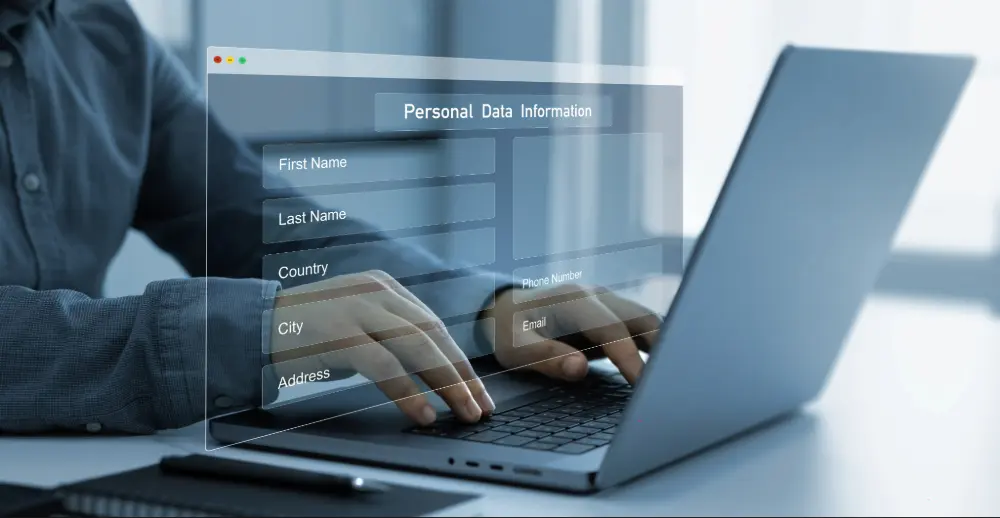
You’ll probably be familiar with the usual essentials: don’t use Password1 for absolutely anything, don’t give your bank details out to cold callers, and don’t click on links embedded in random, unsolicited emails.
There are far more steps and methods you could, and should, use to protect yourself online though.
Online accounts and social media platforms are a goldmine of personal information.
If a platform or site’s security is compromised by hackers they could potentially access personal details that could then provide the basis for identity theft and other fraudulent activities.
Let’s take a look at what you, as a customer, consumer and end user, can do to try to fend off hackers.
Firstly, think about the passwords you use. Do you simply use your favourite pet’s name, your birthday, your mother’s maiden name or the street you grew up in? Are your passwords easily guessable or susceptible to dictionary attacks (systematically entering every word in a word list)?
Ideally, you need to think beyond basic words and use a combination of numbers and symbols as well as upper- and lower-case letters. A unique, or at least obscure, version of an unguessable word or sequence is ideal to combat attackers.
Enabling two-factor authorisation (2FA) is also important for data safety. It helps businesses holding data to monitor and help safeguard their most vulnerable information and networks by demanding two forms of identification from anyone trying to access resources and/or data.
You should always keep an eye on your privacy settings if you use social media sites. Consider limiting who can see your profile and posts, monitor your friend and follower lists and restrict third-party app access. In short, try to limit the personal information you share online.
Keep your software, operating systems and apps updated, so that you keep up with (and combat) evolving threats and be cautious when using public Wi-Fi networks. Unencrypted networks may not have the security you need to repel hackers, and the risk of inadvertently downloading malicious software, also known as Malware, is greater. If you can, avoid using public Wi-Fi for purchases or sensitive transactions.
You should also consider the way you communicate and whether you could do it in a more secure way. Secure private messengers with strong end-to-end encryption could help protect that valuable data and keep it out of the hands of unscrupulous thieves.
You could also use a VPN, or virtual private network, to encrypt your interactions and route traffic through a remote server. This also hides your IP address and limits the chances of third parties tracking your online data.
Minimising the data on you online is also recommended. Review app permissions regularly and opt out of data collection whenever possible. As for those unused and outdated accounts, you should get rid of them, in case you have data stored there too.
These are just a few small but important measures you can take to improve your online security and reduce your digital footprint.
What about the data that legitimate businesses, public bodies and service providers hold about you though? They have a duty of care when it comes to your data – your security and privacy depends on it.
Companies are increasingly reliant on data for their strategic decisions. Informed decision-making is key and data provides that information. Understanding and verifying what you know – or think you know – is often the path to success.
If you’re a business owner or manager, or if you’re responsible for data protection, here’s what you need to do to keep hackers at bay.
A formal strategy for your data security is a must. The more comprehensive the plan, the more secure you are. Detail your policies and have robust procedures in place. Limit access only to those who need it and plan for any outages. It’s also essential to have a plan should a security breach occur. Keep aware of what to do in the event of an attack, and what remedial steps you may need to take.
And don’t forget that old friend, data encryption. Making the data unreadable for those who shouldn’t have it makes it unusable and worthless to them. Storage and transmission of data must be in an encrypted form, which is especially crucial in these times of hybrid, home and remote working.
Remember that your business doesn’t need to hoard data. Protect your client data by removing it, keeping only the information that you know is necessary and of use to you. This has the added benefit of more manageable upkeep of your data.
Investing in reliable IT software is vital for efficient data protection. Reduce the risk of data breaches and massive disruption by using secure programs and keep that software regularly updated.
Your staff and colleagues also need to be security-savvy. Emphasise the importance of strong passwords and consider using 2FA, authentication apps and encryption measures.
Storing data, protecting it and maintaining the confidence of clients and stakeholders should be a company-wide concern. It only takes one employee to mistakenly open a dodgy email or follow a troublesome link. IT awareness, and knowing the risks, is everybody’s business. Make data protection and privacy awareness a part of the onboarding procedures and deliver refresher courses on a regular basis to keep your staff on their toes.
Information is power, and it’s crucial for a business and its future success.